

JORDUN provides full process technical support from product selection to failure analysis
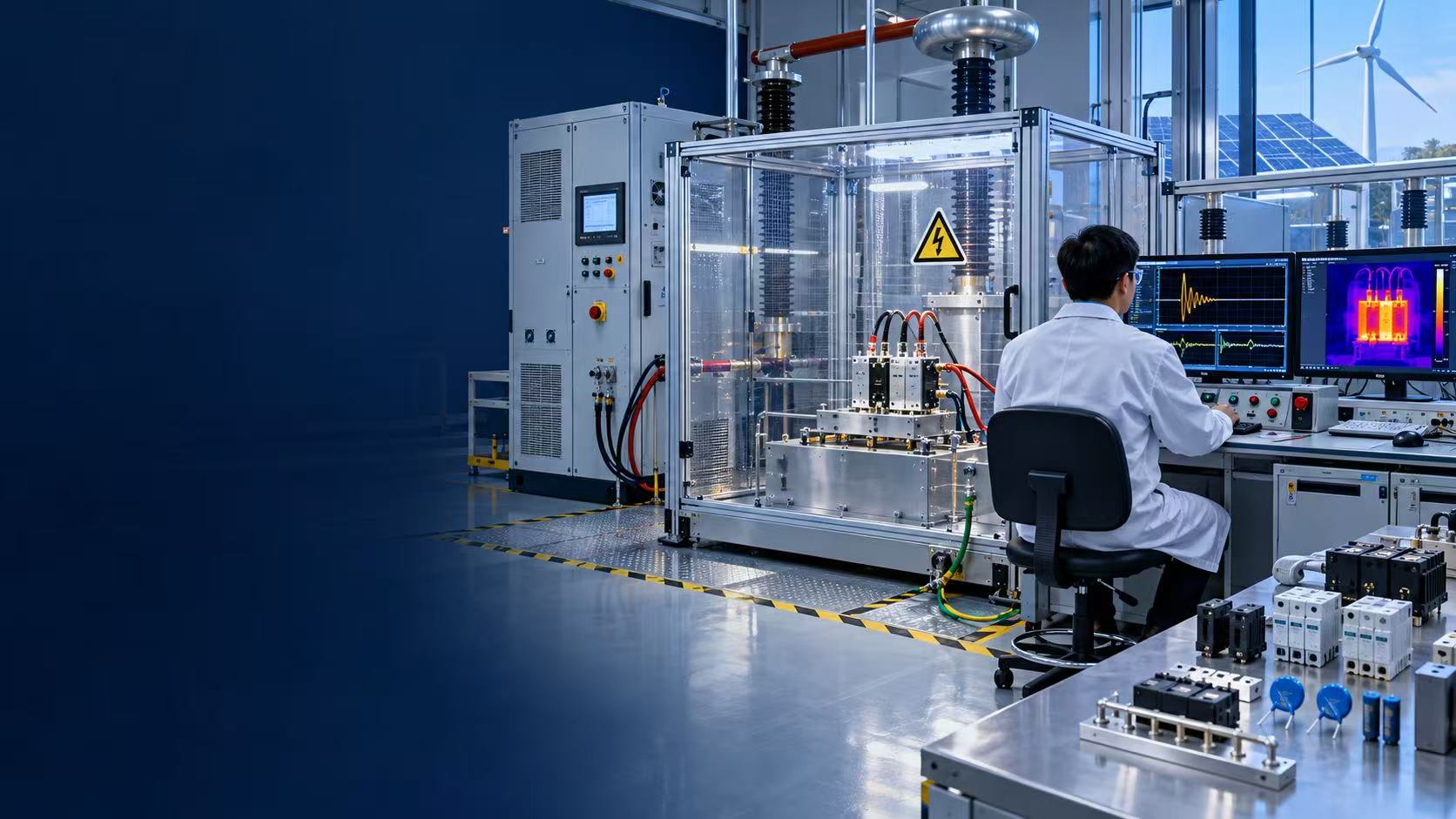 The electrical environment of different application devices is different, and the same protective device cannot cover all applications. The truly effective protection scheme should start from the customer's circuit conditions and failure modes.
JORDUN targets customers in photovoltaic inverters, energy storage PCS, automotive OBC, AI server power supplies, RRU base stations, and industrial power supplies, establishing sales channels FAE、 A technical service mechanism that involves collaborative participation between research and quality.
Customers only need to provide application equipment, input voltage, system power, surge level, installation location, existing protection solutions, and encountered problems, and the Qiaoton technical team can assist in analyzing protection nodes and potential failure risks.
The service content includes product selection, circuit scheme evaluation, sample application, testing condition recommendation, abnormal sample analysis, and customized specification development. For key projects, continuous tracking can be conducted based on customer verification progress to assist in resolving issues that arise during testing and import processes.
JORDUN hopes to provide customers with not just a product model, but a set of circuit protection solutions that can be validated, mass-produced, and continuously optimized.
Action button: Submit project requirements | Obtain selection plan | Schedule FAE communication