

Photovoltaic inverter protection is moving from single point protection to system collaboration
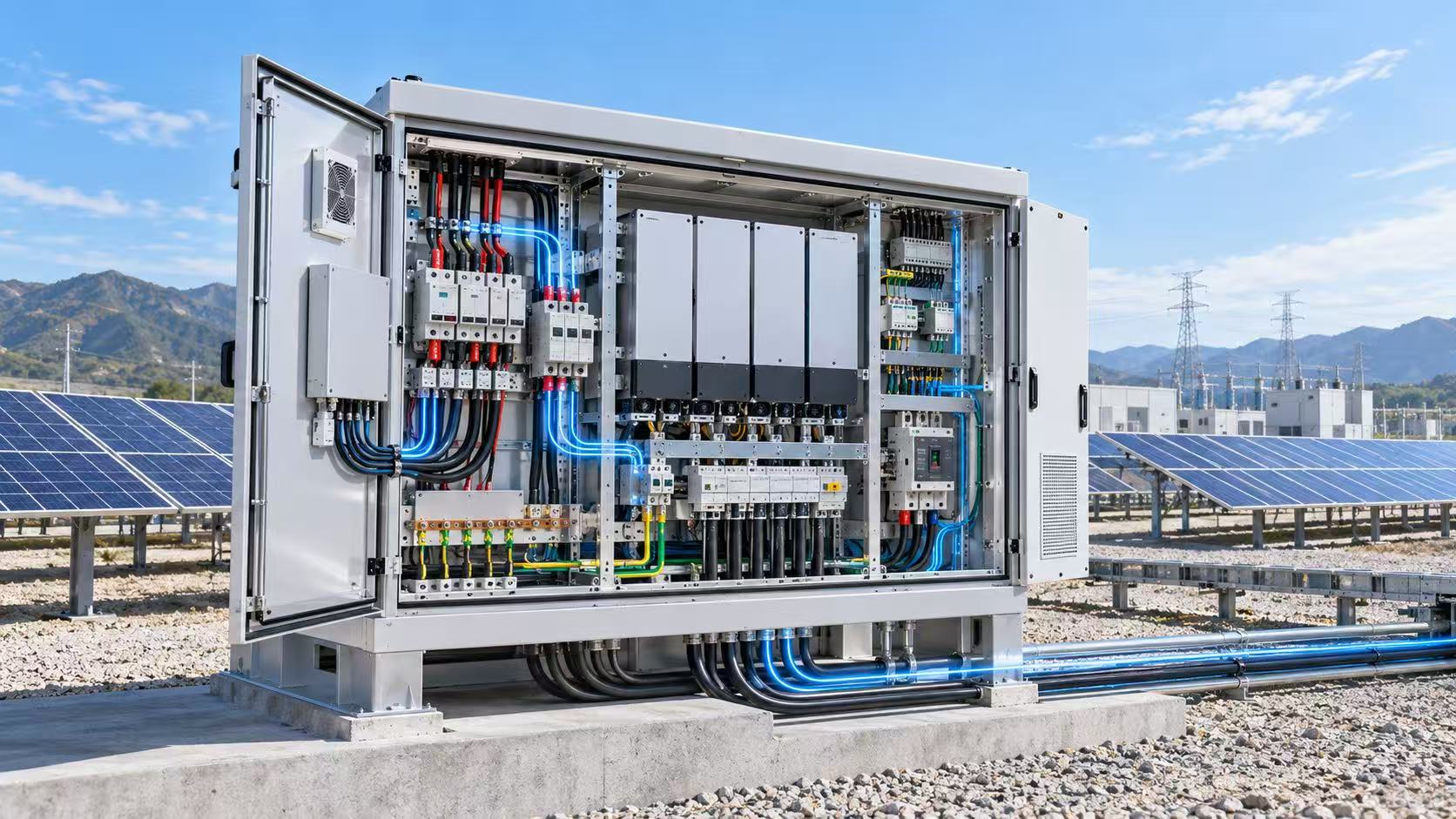 With the development of photovoltaic systems towards high voltage, high power, and long-term outdoor operation, a single MOV is no longer able to cover all abnormal operating conditions. Lightning surges, power grid fluctuations, abnormal power frequency overvoltage, device aging, and high-temperature operation may all affect the long-term reliability of inverters.
In the future, the protection of photovoltaic inverters will place greater emphasis on the collaborative design between DC input, AC grid connection, auxiliary power supply, communication interfaces, and critical temperature rise locations. Protective devices not only need to absorb surges, but also have the ability to overheat, provide status feedback, and be maintainable.